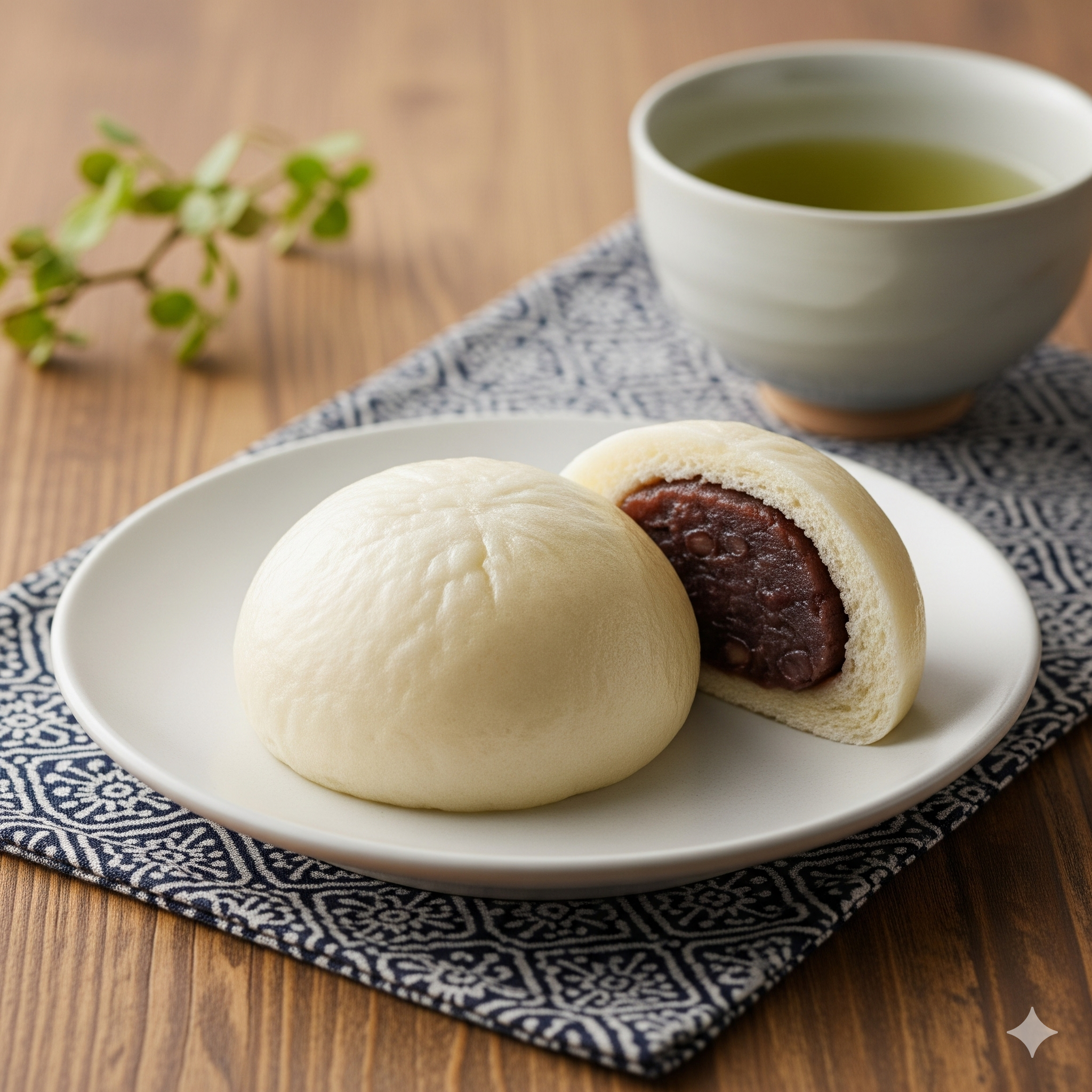
In the expansive realm of Japanese confectionery, where delicate artistry often takes center stage, there exists a humble yet profoundly comforting treat known as Manju (饅頭). These traditional steamed buns, characterized by their soft, moist exterior and delightful sweet fillings, are a beloved staple throughout Japan. More than just a simple sweet, Manju embodies a sense of warmth, tradition, and hospitality, deeply woven into the fabric of Japanese culture.
This article delves into the fascinating world of Manju, tracing its historical journey, exploring its diverse forms and fillings, and understanding its cherished place in the hearts of the Japanese people. Prepare to discover the understated elegance and satisfying charm of this timeless confection.
What is Manju? A Sweet, Steamed Introduction
At its core, Manju is a type of Japanese steamed bun with a sweet filling. While its appearance might seem unassuming compared to the intricate designs of Namagashi, its appeal lies in its comforting texture and the harmonious balance of its soft outer dough with a rich, flavorful interior. The name “Manju” itself is derived from the Chinese mantou, reflecting its historical origins.
The outer dough of Manju is typically made from a combination of flour (wheat, rice, or buckwheat), water, and sugar, often with a leavening agent to achieve its characteristic soft, pillowy texture. Once filled, these buns are traditionally steamed, resulting in a moist and tender confection that is distinct from baked goods.
A Journey Through Time: The History of Manju
The history of Manju in Japan is a direct lineage from China. The concept of steamed buns filled with various ingredients was introduced to Japan by Zen Buddhist monks around the Kamakura period (1185-1333). During this era, meat-filled mantou were a common food in China.
However, due to Buddhist dietary restrictions that prohibited the consumption of meat, Japanese monks adapted the recipe. They replaced the savory meat fillings with sweet bean paste, primarily made from azuki beans. This innovation marked the birth of the distinctively Japanese sweet Manju that we know today.
The art of Manju making flourished, especially during the Muromachi period (1336-1573), and by the Edo period (1603-1868), it had become a widespread and popular sweet enjoyed by all social classes. Different regions began to develop their own unique variations, solidifying Manju’s status as a fundamental Japanese confection.
The Diverse World of Manju: Forms and Fillings
While the concept of a steamed bun with a sweet filling remains consistent, Manju boasts an impressive array of regional variations, dough types, and fillings, making it a surprisingly diverse category of Wagashi.
Common Dough Types:
- Jōyo Manju (薯蕷饅頭): Made with yamaimo (Japanese mountain yam) mixed into the flour, giving the dough a distinctively smooth, elastic, and slightly chewy texture. This is often used for higher-grade Manju served in formal settings like the tea ceremony.
- Sake Manju (酒饅頭): The dough is fermented with sake kasu (sake lees) or yeast, imparting a subtle alcoholic aroma and a slightly sour, yeasty flavor.
- Chamanju (茶饅頭): The dough is often colored brown with brown sugar or sometimes matcha, giving it a rustic appearance and a slightly earthy flavor.
- Mochi Manju (餅饅頭): The outer layer is made from mochiko (glutinous rice flour), resulting in a chewier, mochi-like texture.
Popular Fillings:
- Anko (Sweet Red Bean Paste): The quintessential filling. It can be koshian (smooth paste) or tsubuan (chunky paste with whole beans).
- Shiroan (White Bean Paste): Made from white kidney beans, offering a milder sweetness and a lighter color, often used in more refined Manju.
- Matcha Paste: A rich, green tea-infused paste, sometimes combined with anko.
- Chestnut Paste: A seasonal favorite, especially in autumn, offering a nutty, sweet flavor.
- Miso Paste: A less common but savory-sweet option, providing a unique umami depth.
- Kuri (Chestnut): Sometimes a whole candied chestnut is embedded within the anko filling.
Regional and Specialty Manju:
Japan’s regional diversity is beautifully showcased in its Manju. Almost every prefecture and famous tourist spot boasts its own unique Manju. For example:
- Momiji Manju (もみじ饅頭): A famous specialty of Hiroshima, these are small, maple-leaf-shaped Manju, often with an anko filling.
- Onsen Manju (温泉饅頭): Commonly found in hot spring resorts, these are typically brown-skinned Chamanju, often steamed using the natural hot spring steam itself.
- Hakada Torimon (博多通りもん): A popular souvenir from Fukuoka, these have a rich, buttery white bean paste filling and a thin, slightly baked skin rather than a purely steamed one, blending Manju and Western confectionery techniques. This specific Manju has been awarded the Monde Selection Grand Gold Quality Award for many consecutive years.
Manju’s Place in Japanese Culture
Manju holds a significant position in Japanese daily life and cultural practices.
A Symbol of Hospitality and Souvenirs
Offering Manju is a common gesture of hospitality. When visiting someone’s home or attending a meeting, it’s customary to present or be offered Manju with tea. It’s also one of the most popular omiyage (souvenirs) purchased when traveling within Japan. Different regions take pride in their local Manju, making them iconic edible tokens.
Seasonal and Ceremonial Significance
While not as strictly seasonal in design as some Namagashi, the ingredients and certain types of Manju can reflect the seasons. Kuri Manju (chestnut Manju), for instance, is a classic autumn treat. In more traditional settings, beautifully crafted Jōyo Manju might be served during the tea ceremony, particularly on less formal occasions.
The Comfort Food Factor
Ultimately, Manju provides a simple, comforting pleasure. Its soft texture and sweet filling offer a moment of warmth and satisfaction, making it a beloved snack for all generations. It’s the kind of treat that feels like a warm hug, a sweet reminder of tradition and home.
Where to Find and Enjoy Authentic Manju
To experience Manju in its most authentic form, seek out traditional wagashi-ya (Japanese confectionery shops) or specialized Manju stores. Department store food halls often have excellent selections, showcasing both classic and modern interpretations. When visiting a hot spring town (onsen), be sure to try the local Onsen Manju, often sold warm and fresh.
Enjoy Manju alongside a cup of green tea—the subtle bitterness of the tea perfectly balances the sweetness of the bun, enhancing the overall experience.
Frequently Asked Questions
Is Manju similar to Chinese Baozi?
Yes, Manju is indeed related to Chinese baozi (steamed buns). The Japanese Manju evolved from the meat-filled mantou (baozi without filling) introduced from China, with the key adaptation being the use of sweet bean paste as a filling to suit Buddhist dietary practices.
Is Manju typically vegetarian?
Yes, traditional Manju is almost always vegetarian, as its primary filling is sweet bean paste and the dough is plant-based. However, it’s always good to check for specific ingredients if you have dietary restrictions, as some modern variations might introduce non-vegetarian components.
How should Manju be stored?
Freshly made Manju is best consumed on the day it’s purchased due to its moist texture. If you need to store it, keep it in an airtight container at room temperature for a day or two, or refrigerate for slightly longer. Some types can be frozen. Reheating gently by steaming or microwaving can restore its softness.
What’s the best way to eat Manju?
Manju is best enjoyed with a cup of hot green tea. The tea’s slight bitterness complements the sweetness of the bun. Simply pick it up with your fingers and savor each bite.
Are there savory Manju?
While the vast majority of Manju available today are sweet, historically, the Chinese mantou from which Manju evolved were savory. In Japan, savory steamed buns are typically called nikuman (meat buns) or anpan (bread buns with anko), and they fall into a slightly different category of Japanese cuisine, though the influence is clear.
Leave a Reply