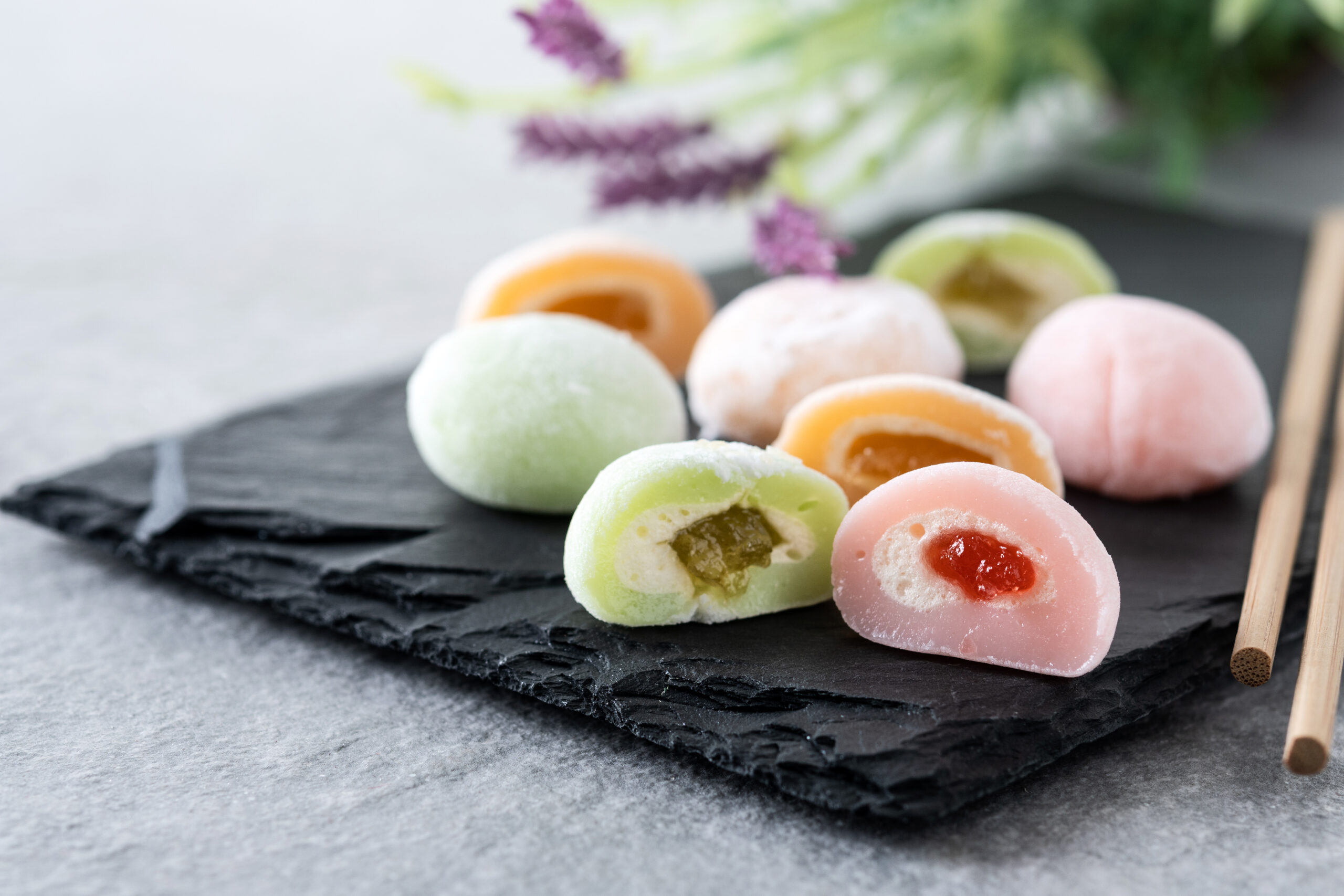
Introduction: A Bite of Bliss – Discover Daifuku
If you’ve ever delved into the world of Japanese sweets, chances are you’ve encountered the delightfully chewy and sweet confection known as Daifuku. More than just a simple treat, Daifuku (大福) embodies a perfect harmony of textures and flavors, making it one of Japan’s most beloved and iconic Wagashi. Its name, literally meaning “great luck” or “great fortune,” adds a charming layer to this delightful snack.
Ready to discover Daifuku? In this article, we’ll unpack what makes this traditional Japanese sweet so special, explore its various delicious forms, and show you why it’s a must-try for any sweet enthusiast.
What is Daifuku? The Essence of Chewy Sweetness
At its core, Daifuku is a small, round mochi confection with a sweet filling. The magic lies in its simplicity and the contrasting textures:
- The Mochi Exterior: This is the signature element. A soft, pliable, and incredibly chewy outer layer made from glutinous rice flour (mochiko). It’s typically dusted with potato starch or cornstarch to prevent sticking.
- The Sweet Filling: Traditionally, the filling is anko (sweet red bean paste). This rich, earthy paste provides a smooth and satisfying counterpoint to the mochi’s chewiness.
While this traditional form is still immensely popular, Daifuku has evolved to include a variety of exciting fillings and mochi variations.
Popular Types of Daifuku
The versatility of Daifuku allows for a wonderful range of flavors and experiences:
- Ichigo Daifuku (苺大福 – Strawberry Daifuku): This is arguably the most famous modern variation. A whole, fresh strawberry is nestled within the anko filling, providing a burst of juicy, tart freshness that perfectly balances the sweetness of the bean paste and the chewiness of the mochi. It’s a seasonal treat, especially popular in spring.
- Mame Daifuku (豆大福 – Bean Daifuku): This version incorporates whole adzuki beans (or sometimes soybeans) directly into the mochi dough, giving it a slightly bumpy texture and a pleasant, subtle bean flavor throughout the exterior. The filling is usually anko.
- Yomogi Daifuku (蓬大福 – Mugwort Daifuku): The mochi dough is infused with yomogi (Japanese mugwort), giving it a vibrant green color and a distinct, herbaceous aroma and flavor that pairs wonderfully with the sweet anko inside.
- Shio Daifuku (塩大福 – Salt Daifuku): The mochi is lightly salted, which subtly enhances the sweetness of the anko filling. The hint of saltiness creates a unique and addictive flavor profile.
- Coffee Daifuku / Matcha Daifuku: Modern variations might flavor the mochi or the anko with coffee or matcha green tea, catering to contemporary tastes while maintaining the traditional structure.
The Meaning Behind the Name
The name “Daifuku” itself is quite charming. It originally began as Harabuto Mochi (腹太餅), meaning “belly-thick rice cake” due to its generous filling. Later, it was renamed Daifuku Mochi (大腹餅), meaning “big belly mochi.” Over time, the character for “belly” (腹) was replaced with the character for “luck” (福), which is also pronounced fuku, transforming it into Daifuku Mochi (大福餅), or “great luck mochi.” This auspicious name contributes to its popularity, especially as a gift.
Where to Find and Enjoy Daifuku
Daifuku is widely available throughout Japan and increasingly in Japanese markets worldwide:
- Wagashi-ya (和菓子屋): Traditional Japanese sweet shops are the best places to find freshly made Daifuku.
- Department Store Food Halls: These often have exquisite selections of various Daifuku, including seasonal and limited-edition varieties.
- Supermarkets and Convenience Stores: You can find mass-produced but still tasty Daifuku here, particularly the common Ichigo Daifuku.
- Online: Many specialty stores now ship fresh Daifuku internationally.
Daifuku is best enjoyed fresh, often with a cup of green tea like matcha or sencha, which beautifully complements its sweetness.
Frequently Asked Questions about Daifuku
What is the difference between Mochi and Daifuku?
Mochi is the general term for a chewy Japanese rice cake made from glutinous rice. Daifuku is a type of mochi, specifically a small, round mochi that is filled with a sweet filling, most commonly anko. So, all Daifuku are mochi, but not all mochi are Daifuku.
Is Daifuku gluten-free?
Traditional Daifuku is made with glutinous rice flour and anko (red bean paste), both of which are naturally gluten-free. However, cross-contamination can occur, and some modern recipes might use wheat flour. Always check ingredients if you have celiac disease or a severe gluten allergy.
How should I store Daifuku?
Daifuku is best eaten fresh on the day it’s made. If you must store it, an airtight container at room temperature for up to 1-2 days is ideal. Refrigeration can cause the mochi to harden and lose its soft, chewy texture. Freezing can work if done correctly, but it’s best consumed fresh.
What does Daifuku taste like?
It has a unique balance of textures: a soft, very chewy, and slightly elastic mochi exterior, contrasted with a smooth, sweet, and often earthy anko filling. Ichigo Daifuku adds a juicy and tart element from the fresh strawberry.
Can I make Daifuku at home?
Yes! While it requires a bit of technique to get the mochi just right, there are many recipes available for making Daifuku at home. It’s a fun and rewarding process.
Conclusion: A Sweet Symbol of Fortune
From its simple yet perfect combination of chewy mochi and sweet anko to its auspicious name, Daifuku is truly a gem in the world of Wagashi. Whether you’re trying it for the first time or rediscovering a beloved classic, we hope you’ve enjoyed learning more about this delightful Japanese sweet. Go ahead, treat yourself to a piece of “great luck”!
Leave a Reply