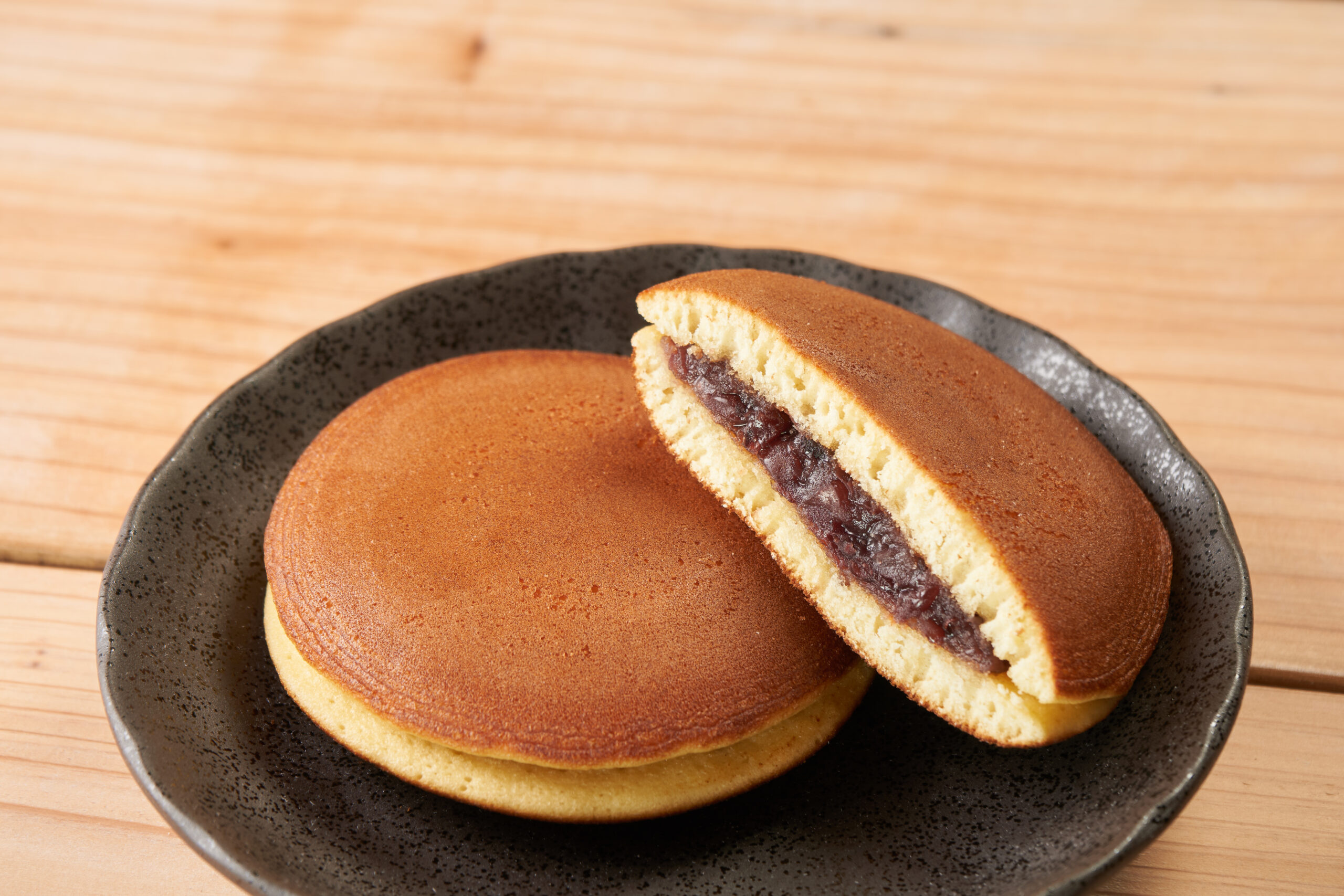
In the vast and varied landscape of Japanese confectionery, some treats stand out not for their intricate designs, but for their simple, comforting perfection. Among these cherished favorites, Dorayaki (どら焼き) holds a special place. At first glance, it appears to be a humble sandwich of two small pancakes with a sweet filling. Yet, its soft texture, balanced flavor, and nostalgic charm have elevated it to an iconic status, beloved by children and adults alike, and recognized worldwide thanks to a famous pop culture character.
This article invites you to explore the delightful world of Dorayaki, uncovering its fascinating history, its classic and modern flavors, and its enduring role as one of Japan’s most celebrated and accessible sweets.
What is Dorayaki? A Simple Yet Perfect Confection
Dorayaki is a type of wagashi (Japanese traditional confection) consisting of two fluffy, round pancakes made from a castella-like batter, which are then sandwiched together with a generous dollop of sweet filling. The pancakes themselves are slightly springy and moist, with a subtle sweetness that perfectly complements the rich filling. Their texture is softer and more cake-like than a typical Western pancake, with a beautiful golden-brown color.
The magic of Dorayaki lies in this perfect harmony: the soft, pillowy exterior and the warm, decadent filling create a satisfying and deeply comforting treat that feels both familiar and uniquely Japanese.
The Sweet History of Dorayaki
The name Dorayaki offers a clue to its origins. Dora (銅鑼) is the Japanese word for “gong,” and the name is believed to come from the shape of the pancakes, which resemble the flat, round musical instrument.
A popular legend traces its name to a samurai warrior named Benkei who, after leaving his home, accidentally forgot his dora (gong). A farmer who found it used the gong to cook the first pancake-like sweets, which he then served to Benkei, naming them “Dorayaki.”
While this story is more folklore than fact, the dessert’s modern form did undergo a significant change. Early versions of Dorayaki were a single, folded pancake. It was not until around the early 20th century that a famous confectionary shop in Tokyo, Ueno Usagiya, began to sandwich two pancakes together, creating the Dorayaki we know today. This innovation made the treat easier to eat and more portable, cementing its popularity.
The Heart of the Treat: Classic and Modern Fillings
The filling is the soul of a good Dorayaki. While its composition has expanded over the years, the classic filling remains the most popular.
Anko (Sweet Red Bean Paste): The Classic Choice
The traditional and most common filling for Dorayaki is anko, a sweet paste made from boiled and sweetened azuki beans. The anko used in Dorayaki is typically smooth (koshian), but some versions use chunky paste with whole beans (tsubuan). The earthy sweetness of the red beans offers a wonderful contrast to the light pancakes, providing a balanced and timeless flavor profile.
Exploring New Flavors
As tastes have evolved, so too have the fillings. Modern Dorayaki can be found with a wide variety of delicious options, catering to different palates:
- Matcha Cream: A delicate, earthy cream infused with green tea powder.
- Custard Cream: A smooth, rich, and creamy vanilla custard that provides a sweet alternative to anko.
- Chestnut Paste: A seasonal autumn favorite, offering a nutty sweetness.
- Fruit Fillings: Some varieties include whole fruits like strawberries or slices of candied chestnuts mixed into the bean paste.
A Cultural Icon: Dorayaki in Popular Culture
Dorayaki’s fame extends far beyond Japanese borders, largely thanks to its role in one of Japan’s most beloved cultural exports: the anime and manga series, Doraemon. The titular character, a robotic cat from the future, has an insatiable love for Dorayaki. This has been a recurring theme throughout the series for decades, cementing the treat’s image in the minds of millions of viewers around the world. The connection is so strong that Dorayaki is often affectionately referred to as “Doraemon’s favorite food.”
How Dorayaki is Made: The Simple Process
Making Dorayaki is a simple yet precise art. The process is a testament to the beauty of Japanese craftsmanship and attention to detail.
- Batter Preparation: A batter is made from flour, eggs, sugar, and honey, giving the pancakes their unique taste and moist texture.
- Grilling: The batter is then carefully poured onto a hot griddle to form perfect, round pancakes. Unlike Western pancakes, they are cooked without oil, which gives them a clean, golden-brown finish.
- Filling and Assembling: Once cooked and cooled slightly, a generous amount of filling is placed on one pancake, and a second pancake is gently pressed on top to form the sandwich.
- Finishing: The edges of the finished Dorayaki are often gently pressed together to seal them.
Where to Find and Enjoy Authentic Dorayaki
For the freshest and highest quality Dorayaki, look for them at traditional wagashi-ya (Japanese confectionery shops). Many of these shops have been perfecting their recipes for generations. You can also find high-quality Dorayaki at department store food halls and specialty bakeries.
In Japan, Dorayaki is also widely available at convenience stores and supermarkets, where they are pre-packaged for a quick and satisfying snack. This accessibility is a key reason for its enduring popularity.
Enjoy Dorayaki on its own as a delightful snack or, for a classic experience, pair it with a cup of hot green tea. The tea’s light bitterness provides a refreshing balance to the sweetness of the treat.
Frequently Asked Questions
Is Dorayaki similar to a pancake?
Yes, Dorayaki pancakes are similar to Western pancakes, but they are typically sweeter, denser, and more cake-like in texture. They are also made with honey, which gives them a distinct flavor and a darker color.
What does Dorayaki mean?
Dorayaki means “cooked on a gong.” The name is said to come from the shape of the pancakes, which resemble a Japanese gong (dora).
Are there different types of Dorayaki?
Yes. While the classic anko-filled Dorayaki is most common, there are many variations with different fillings, such as custard, matcha cream, and chestnuts. The size can also vary, from small bite-sized treats to larger versions.
What is the best way to serve Dorayaki?
Dorayaki is best served at room temperature. While it can be enjoyed with hot tea, the treat itself is typically not served warm or cold. This allows the full flavor and texture of the pancake and filling to be appreciated.
Leave a Reply