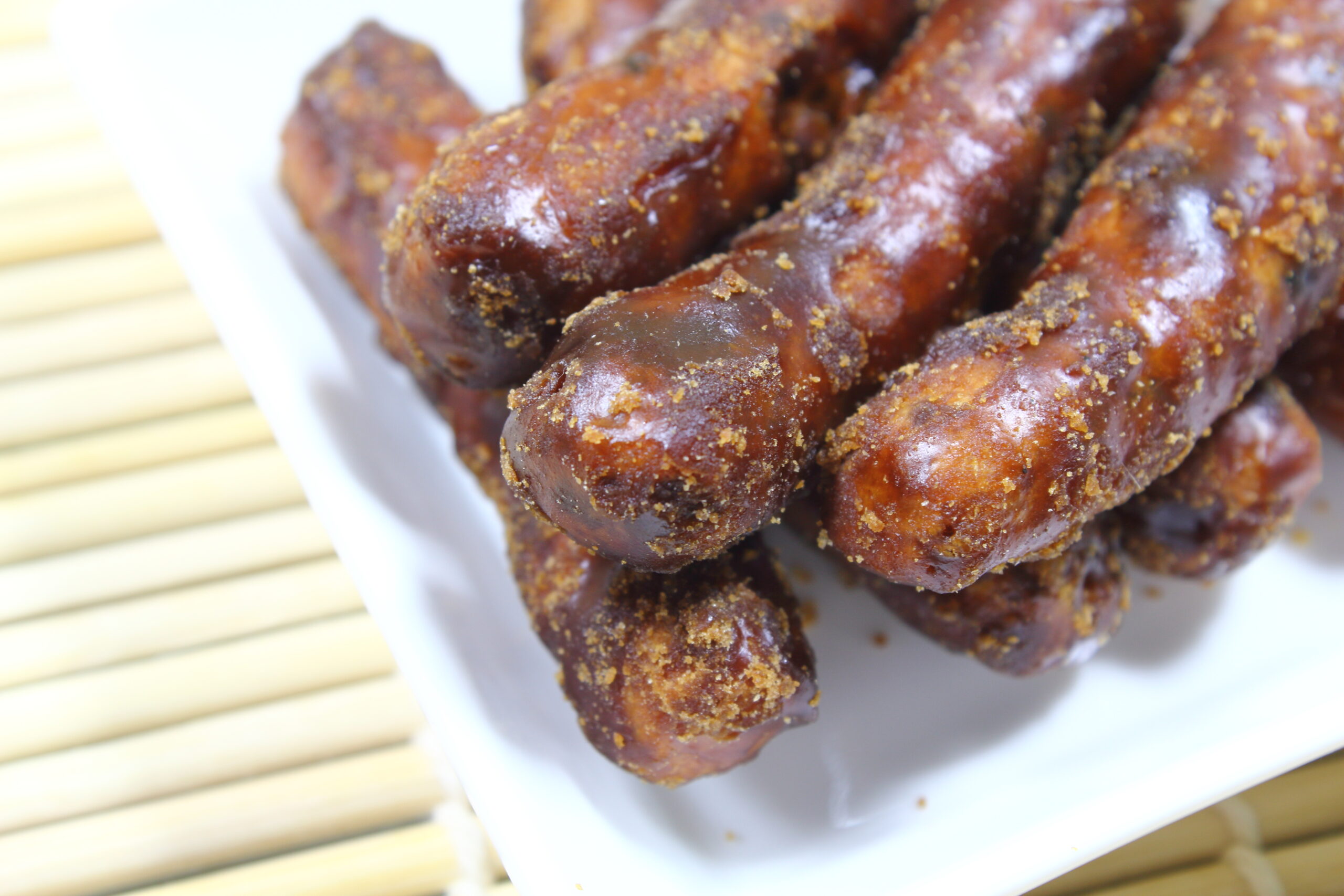
In the vast landscape of Japanese sweets and snacks, from the delicate beauty of Namagashi to the refined elegance of Kasutera, there exists a treat that stands out for its humble simplicity and deeply satisfying crunch: Karinto (かりんとう). These rustic, deep-fried dough sticks are a beloved staple throughout Japan, a snack that has comforted generations with its rich, molasses-like sweetness and a texture that promises a satisfying snap.
Unlike its more intricate counterparts, Karinto embodies the essence of a classic, no-frills treat. It is a snack that appeals to the senses through its straightforward preparation and comforting flavor. This article delves into the simple yet rich world of Karinto, exploring its history, its core ingredients, and its enduring place in the heart of Japanese snack culture.
What is Karinto? The Essence of a Simple Snack
Karinto is a type of Japanese fried dough snack. Its most common form is a small, cylindrical stick, about the size of a finger, though it can also be found in various other shapes, such as twists or small balls.
The key characteristics of Karinto are its:
- Texture: It is hard and exceptionally crunchy, with a satisfying firmness that gives way to a pleasant chewiness.
- Flavor: The dominant flavor is a deep, rustic sweetness that comes from its iconic glaze, typically made from brown sugar. This gives it a rich, almost molasses-like taste that is both comforting and robust.
- Appearance: Karinto often has a dark, shiny, almost black coating from the brown sugar glaze.
A Journey Through Time: The History of Karinto
The history of Karinto is one of quiet longevity. Its origins are believed to be in China, where similar fried and sugar-coated snacks existed for centuries. The concept of deep-fried wheat flour dough, often coated in sugar, was introduced to Japan during a period of cultural exchange, likely during the Tang Dynasty (618-907) or later.
Due to its simple ingredients and long shelf life, Karinto became a popular and affordable snack among the common people. Its ability to be stored for extended periods made it an ideal treat for travel or for simply having on hand at home. Over the centuries, Japanese artisans refined the recipe, particularly the process of the sugar glaze, to create the signature flavor and texture that is cherished today.
The Core Ingredients and Their Preparation
The beauty of Karinto lies in its basic two-part composition: the dough and the glaze.
The Dough
The dough for Karinto is typically made from a simple combination of wheat flour, yeast, and water. A small amount of salt is sometimes added to enhance the flavor. The dough is kneaded, rolled out, and then cut into the desired shapes, most commonly sticks. These dough pieces are then deep-fried in oil until they are puffed up, golden, and firm throughout. This frying process is what gives the Karinto its iconic, crunchy texture.
The Glaze
The most crucial step in making Karinto is the application of the glaze. As the fried dough pieces are still hot, they are immediately tossed in a special syrup made primarily from unrefined brown sugar (kurozato). As the hot Karinto cools, the sugar syrup hardens and crystallizes, forming a shiny, hard, and deeply sweet coating. It is this final glaze that gives Karinto its distinctive look and rich flavor.
The Many Faces of Karinto
While the classic brown sugar Karinto is the most iconic, the snack has evolved to include a wide variety of flavors and forms.
- Classic Karinto: The original, made with a rich brown sugar glaze.
- White Sugar Karinto: Coated in a white sugar glaze, which gives it a lighter, simpler sweetness and a different visual appeal.
- Modern Flavors: To cater to diverse tastes, modern Karinto may be infused with or coated in flavors such as sesame, green tea (matcha), honey, or even vegetable powders.
- Different Shapes and Textures: Some variations are made with different flours, resulting in a slightly different texture. For example, some might be puffed and airy, while others are dense and solid.
Karinto’s Place in Japanese Culture
Karinto holds a special place in Japanese culture as a go-to snack. It is a common accompaniment to a cup of hot green tea, with the tea’s mild bitterness serving as a perfect counterpoint to the snack’s sweetness.
Karinto is also a popular souvenir (omiyage) and gift, often sold in large, beautifully packaged bags at specialty snack shops and train stations. Its long shelf life makes it an excellent choice for a gift that can be savored over time. It is a symbol of a simple, classic taste that has stood the test of time and remains a beloved part of daily life.
Frequently Asked Questions
What does Karinto taste like?
Karinto has a deep, molasses-like sweetness from the brown sugar glaze. The texture is very crunchy and hard, with a satisfying snap. The flavor is rich and comforting, making it a perfect partner for green tea.
Is Karinto a type of Wagashi?
Yes, Karinto is considered a type of wagashi, particularly in the broad category of everyday snacks known as okashi. While it lacks the delicate artistry of some other wagashi, its traditional ingredients and preparation place it firmly within the category of Japanese confections.
Is Karinto a healthy snack?
Karinto is a deep-fried snack and is high in sugar, so it is generally considered a treat rather than a health food. However, as it is often made from simple, natural ingredients like flour and brown sugar, it is a traditional snack to be enjoyed in moderation.
Is Karinto vegetarian or vegan?
Typically, yes. Traditional Karinto is made from plant-based ingredients (flour, sugar, yeast, and oil) and is suitable for both vegetarians and vegans. However, it’s always wise to check the ingredients list for modern variations.
Leave a Reply