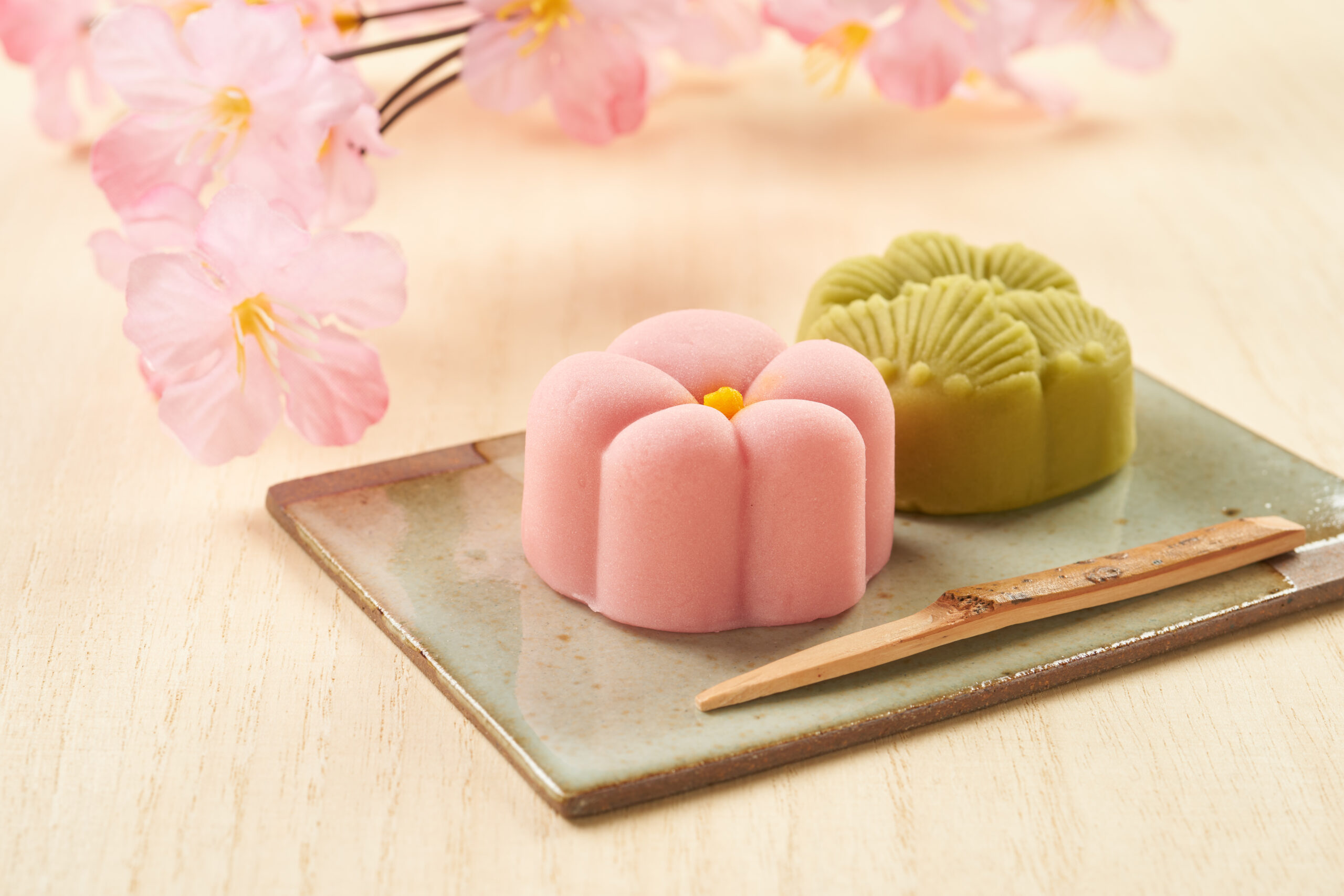
Introduction: A Journey into the World of Wagashi
Welcome to the world of Wagashi, where art and flavor come together in a single, delicate bite. If you’ve ever wondered, “What is Wagashi?“, you’ve come to the right place. These beautiful Japanese sweets are more than just confections; they are edible art forms, each telling a story of the seasons and Japanese culture.
In this ultimate beginner’s guide, we’ll explore the history, philosophy, and different types of Wagashi, helping you understand why these traditional treats are so beloved in Japan and beyond.
Understanding What Wagashi Is
The word “Wagashi” (和菓子) is a combination of two characters: “wa” (和), meaning “Japanese,” and “gashi” (菓子), meaning “confectionery.” Unlike Western desserts that often rely on a lot of butter, cream, and flour, Wagashi are primarily made from plant-based ingredients.
The core components you’ll find in almost every recipe are:
- Anko (餡子): Sweet red bean paste.
- Mochigome (餅米): A special type of glutinous rice used to make mochi.
- Kanten (寒天): A vegan-friendly jelly made from seaweed.
What truly sets these traditional Japanese sweets apart is their focus on subtle, refined flavors and natural sweetness. They are designed to be enjoyed with a cup of matcha green tea, which provides a pleasant, bitter contrast to the confection’s gentle sweetness.
The History and Philosophy of Wagashi
The story of Wagashi dates back to ancient Japan. Over time, and with influences from China, the art of confectionery evolved. The Edo period (1603-1868) was the golden age for Wagashi, as artisans began to create sweets that reflected the changing seasons and the natural world.
This deep connection to nature is a cornerstone of Wagashi philosophy. A springtime sweet might be shaped like a cherry blossom (sakura), while a summer one might look like a glistening raindrop. This seasonal artistry is a reflection of the Japanese aesthetic of appreciating the fleeting beauty of the present moment, a concept known as “wabi-sabi.” For more on Japanese culture and traditions, you can explore the Japan National Tourism Organization website.
A Wagashi Glossary: Common Types to Know
The world of Wagashi is vast, but here are some of the most popular and easy-to-find 32 Types of Japanese Sweets You Should Know.
1. Namagashi (生菓子)
These are fresh sweets with a high moisture content, often made to reflect the current season. Often served during traditional tea ceremonies, they are sometimes called “edible art” due to their beautiful appearance.
2. Daifuku (大福)
A classic wagashi consisting of soft mochi (glutinous rice cake) wrapped around a sweet filling, most commonly red bean paste. Variations like strawberry daifuku or chestnut daifuku are also popular.
3. Dango (団子)
Small, chewy dumplings made from rice flour, often served three or four to a skewer. Popular types include Mitarashi Dango with a sweet soy sauce glaze and those coated in sweet bean paste.
4. Dorayaki (どら焼き)
A treat beloved by all ages, made of two pancake-like castella cakes sandwiching a generous filling of sweet red bean paste. It’s a classic, comforting Japanese sweet.
5. Taiyaki (たい焼き)
A fish-shaped grilled cake with a crispy outside and a soft inside, typically filled with sweet red bean paste or custard. It’s a popular street food best enjoyed hot and fresh.
6. Manju (饅頭)
A steamed or baked bun with a soft doughy exterior and a sweet filling, most often red bean paste. It’s a classic, comforting wagashi found all over Japan.
7. Nerikiri (練り切り)
An intricate and beautiful type of wagashi made from sweet bean paste and mochi. They are true masterpieces, often replicating flowers or natural scenes with incredible detail.
8. Yokan (羊羹)
A dense, jelly-like dessert made by solidifying red bean paste with agar. It has a smooth texture and rich flavor, making it a sophisticated treat often sold in block form.
9. Monaka (最中)
A sweet filling, typically red bean paste, sandwiched between two crisp wafers made from glutinous rice. The wafers are known for their beautiful, embossed designs.
10. Higashi (干菓子)
Dry confections with a low moisture content, made from fine-grained sugars or rice flour. Often pressed into intricate molds, they have a delicate texture that melts away in your mouth.
11. Warabi Mochi (わらび餅)
A delightfully chewy, jelly-like confection made from bracken starch. It’s typically dusted with kinako (roasted soybean flour) and drizzled with kuromitsu (brown sugar syrup), making it a popular summer treat.
12. Sakura Mochi (桜餅)
A seasonal delight of a rice cake filled with sweet red bean paste and wrapped in a preserved cherry blossom leaf. The salty leaf provides a perfect balance to the sweet filling.
13. Kasutera (カステラ)
A Japanese sponge cake with roots in Portugal. It’s known for its moist, dense texture and a distinct bottom layer of coarse sugar crystals.
14. Karinto (かりんとう)
A deep-fried snack made from flour and brown sugar, resembling a crunchy, dark-colored finger. It has a simple yet rich sweetness that’s highly addictive.
15. Kompeito (金平糖)
A small, colorful, star-shaped sugar candy with a bumpy surface. It was introduced to Japan in the 16th century and is considered a true edible jewel.
16. Imagawayaki (今川焼き)
A thick, round, grilled pastry filled with sweet red bean paste or custard. Found at festivals and street vendors, it’s a popular and comforting snack.
17. Kashiwamochi (柏餅)
A mochi sweet with a sweet filling wrapped in an oak leaf. It’s a traditional treat for Children’s Day in May, as the leaf is a symbol of prosperity.
18. Yatsuhashi (八ツ橋)
A sweet from Kyoto made from thin sheets of mochi with a distinctive cinnamon flavor. It can be a crunchy baked cracker or a soft, chewy mochi filled with sweet bean paste.
19. Botamochi / Ohagi (ぼたもち・おはぎ)
Sweet rice balls covered in various toppings like red bean paste, kinako (roasted soybean flour), or sesame seeds. The name changes depending on the season, but the taste remains delicious.
20. Mizu Yokan (水羊羹)
A chilled, jelly-like dessert that is a variation of yokan. Its high water content and smooth texture make it a refreshing and popular sweet for the summer.
21. Zenzai / Oshiruko (ぜんざい・お汁粉)
A warm, sweet soup made from boiled red beans, often served with grilled mochi. The main difference is that Zenzai has chunky beans, while Oshiruko is a smoother paste.
22. Rakugan (落雁)
A dry and hard confection made from rice flour and sugar pressed into beautiful, intricate molds. They dissolve quickly in your mouth and are often served during the tea ceremony.
23. Kintsuba (きんつば)
A sweet made from a slab of sweet bean paste coated in a thin layer of flour dough and then grilled on all six sides, allowing the flavor of the bean paste to stand out.
24. Amanatto (甘納豆)
A traditional sweet made by simmering various beans (like adzuki or black beans) in sugar syrup and then drying and dusting them with sugar.
25. Hanabiramochi (葩餅)
A special mochi sweet made only for the New Year, featuring a flat mochi filled with sweet white miso bean paste and a candied burdock root. It’s a symbol of new beginnings.
26. Kurikinton (栗きんとん)
A simple and elegant sweet made from sweetened chestnuts mashed into a paste and shaped into a small ball. A popular autumn confection that captures the pure, earthy flavor of fall.
27. Kinako Mochi (きなこ餅)
Pieces of soft, chewy mochi squares dusted with fragrant kinako (roasted soybean flour). It’s a simple, classic combination, often served with a drizzle of brown sugar syrup.
28. Kusa Mochi (草餅)
Mochi infused with mugwort (yomogi) leaves, giving it a vibrant green color and a unique, earthy aroma. It’s often filled with red bean paste.
29. Uiro (ういろう)
A steamed cake made from rice flour and sugar, known for its soft, chewy texture and subtle sweetness. It comes in various flavors and is often a regional specialty.
30. Shiruko (汁粉)
A type of sweet soup made from strained red bean paste, giving it a smooth consistency. It’s a comforting dessert often served hot with grilled mochi.
31. Suama (すあま)
A simple, slightly sweet confection made from rice flour and sugar. It’s characterized by its soft, chewy texture and is often made in a cheerful pink and white color.
32. Momoyama (桃山)
A baked wagashi made from a blend of white bean paste and egg yolks, resulting in a dense and moist, cake-like texture. It’s a rich and sophisticated sweet.
Where Can I Find and Enjoy Wagashi?
Wagashi are a part of everyday life in Japan, and you can find them everywhere from department store food halls to specialty shops called “wagashi-ya” (和菓子屋). They are also a staple at traditional tea ceremonies.
For those outside of Japan, your best bets are:
- Japanese Grocery Stores: Many have a fresh Wagashi section.
- Specialty Bakeries: Look for shops that specialize in traditional Japanese pastries.
- Online Shops: A growing number of online stores ship Wagashi directly to you.
When you get your hands on some, remember to take a moment to appreciate the beauty before you take a bite. It’s a key part of the experience! (Note: This is a great place to add an internal link to a future post like “10 Must-Try Wagashi Shops in Tokyo”).
Frequently Asked Questions about Wagashi
Are Wagashi healthy?
Wagashi are generally considered healthier than many Western sweets because they are low in fat and primarily made from plant-based ingredients. However, they are still high in sugar and carbohydrates, so they should be enjoyed in moderation as a treat.
How should I eat Wagashi?
Wagashi are traditionally served with a cup of bitter matcha green tea. The bitterness of the tea is meant to cleanse the palate and perfectly complement the subtle sweetness of the confection.
What is Anko?
Anko is a sweet paste made from red adzuki beans. It is a fundamental ingredient in many types of Wagashi and comes in two main forms: koshian (smooth paste) and tsubuan (chunky paste with whole beans).
Do Wagashi contain gelatin?
No, traditional Wagashi do not contain gelatin. The jelly-like consistency found in some sweets is created using kanten, a plant-based gelatin made from seaweed. This makes most traditional Wagashi suitable for vegans and vegetarians.
How long do Wagashi last?
When you get your hands on some, remember to take a moment to appreciate the beauty before you take a bite. It’s a key part of the experience!
Leave a Reply