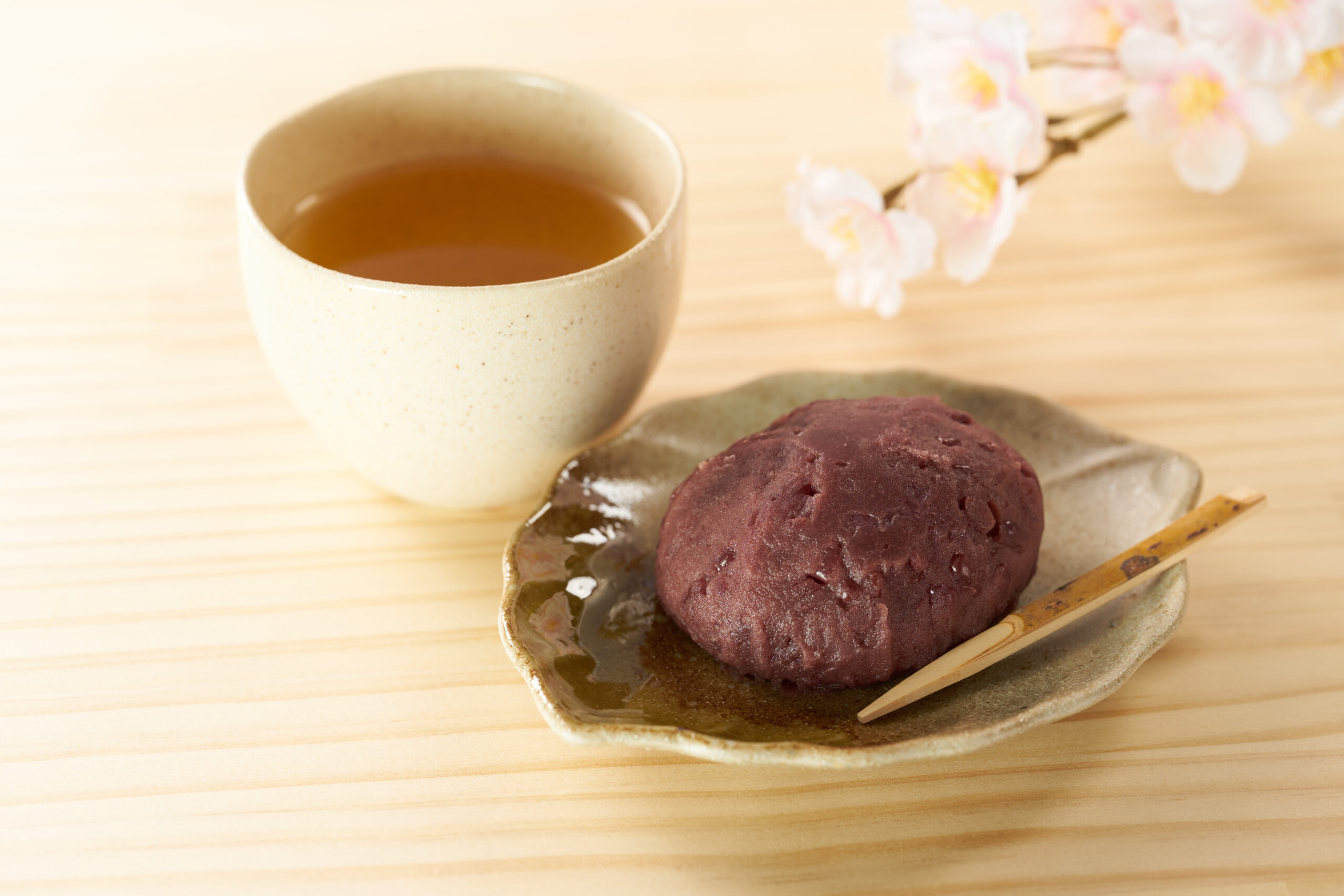
Introduction – What is Anko?
Anko (餡子) is the heart of wagashi (和菓子), the traditional sweets of Japan. Made from azuki beans and sugar, anko is versatile, appearing in mochi, dorayaki, taiyaki, and more. But not all anko is the same—two main styles dominate Japanese confectionery:
- Koshian (漉し餡) – smooth, silky bean paste
- Tsubuan (粒餡) – chunky, textured bean paste
Understanding these differences is key to enjoying wagashi like a true connoisseur.
The Origin of Anko
Azuki beans have been cultivated in Japan for over 1,000 years, originally used for religious offerings. The combination of beans and sugar became popular during the Edo period (1603–1868), when sugar imports increased. Since then, anko has become the essential flavor base of Japanese sweets.
Koshian vs Tsubuan – What’s the Difference?
| Feature | Koshian (Smooth) | Tsubuan (Chunky) |
|---|---|---|
| Texture | Velvety, creamy | Rustic, with bean skins |
| Making Process | Beans are boiled, skins removed, then sieved and blended | Beans are boiled, lightly mashed, skins remain |
| Flavor | Mild, refined sweetness | Rich, earthy, full-bodied |
| Popular Uses | Nerikiri, yokan, daifuku | Dorayaki, taiyaki, manju |
How Anko is Made
- Soak and boil azuki beans until soft.
- Sweeten with sugar (often wasanbon sugar for premium wagashi).
- Choose the style:
- Koshian: Pass beans through a sieve, remove skins, and blend.
- Tsubuan: Mash beans lightly, leaving skins intact for texture.
This simple but careful process highlights the Japanese dedication to detail.
Which Anko Should You Choose?
- If you like delicate, smooth textures → go for Koshian.
- If you prefer rich, rustic flavors → Tsubuan is your match.
Many Japanese sweet shops offer both, letting you compare the experience.
Health Benefits of Anko
- High in protein and fiber (from azuki beans).
- Naturally plant-based – vegan-friendly.
- Lower in fat compared to cream-based Western fillings.
Where to Try Anko in the US
- Japanese confectionery chains like Minamoto Kitchoan.
- Asian supermarkets (Mitsuwa, Marukai, H Mart).
- Online shops such as Amazon and Bokksu, which ship yokan, dorayaki, and daifuku filled with anko.
Conclusion
Whether you prefer the silky smoothness of koshian or the hearty bite of tsubuan, anko is the foundation of wagashi and a perfect introduction to Japanese sweets. Next time you try a daifuku or dorayaki, pay attention to the filling—you might discover a new favorite.
FAQ about Anko
Q1. What is the difference between anko and red bean paste?
A. They are the same concept. “Anko” is the Japanese term, while “red bean paste” is the English description.
Q2. Which is healthier: koshian or tsubuan?
A. Nutritionally, both are similar since they use the same azuki beans. However, tsubuan retains more fiber because the bean skins are not removed.
Q3. Can anko be eaten by vegans?
A. Yes. Traditional anko contains only azuki beans, sugar, and water. It is naturally vegan-friendly.
Q4. How long does anko last?
A. Freshly made anko should be refrigerated and consumed within 2–3 days. Packaged anko (vacuum-sealed or canned) can last for weeks or months.
Q5. What sweets usually contain koshian or tsubuan?
A. Koshian is often used in delicate sweets like nerikiri and yokan, while tsubuan is common in dorayaki, taiyaki, and manju.
Leave a Reply